
Key Takeaways
- A painless click by itself is common. Pain, locking, stiffness or limited opening may warrant an assessment.
- Clicking can relate to disc movement in the joint, muscle tension, a past injury or joint wear.
- If your jaw is sore, softer foods and avoiding gum may help reduce strain temporarily.
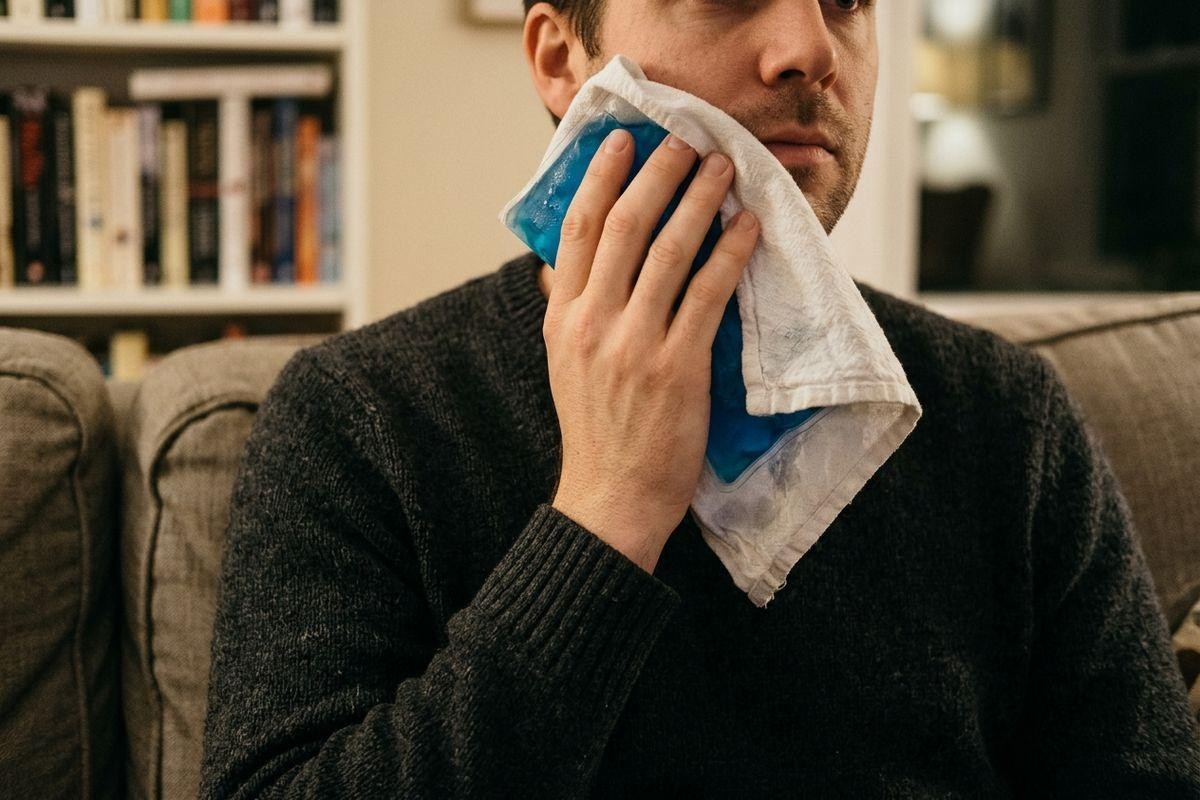
- A wrapped warm or cold pack may temporarily ease jaw discomfort.
- A dentist can assess jaw pain, locking or limited movement and discuss next steps.
Jaw clicking or popping may be noticeable when opening or closing your mouth. The sound alone does not identify its cause. If you also have pain or difficulty moving your jaw, our team at Acacia Dental Centre can assess your symptoms and discuss next steps.
Habits such as teeth grinding or clenching may strain the chewing muscles, particularly if jaw pain is also present. Stress may also contribute to muscle tension.
Reasons Your Jaw Clicks
The jaw joint, called the temporomandibular joint (TMJ), contains a small disc that cushions the joint and helps it move smoothly. Clicking may relate to how the jaw and disc move together, and it can have different causes. Possible contributors include:
- Movement of the disc within the joint as you open and close
- Muscle tension from clenching or grinding your teeth
- A past jaw injury
- Arthritis or wear in the joint
A dentist can help work out which factors may apply to you.
A click alone does not show that your bite is misaligned. If your bite feels different or chewing is difficult, discuss it with your dental team.
Jaw Clicking vs. TMJ Disorder (TMD)
Many people have a jaw that clicks and never develop a problem. Temporomandibular disorders (TMD) is a broader term for problems affecting the jaw joint and the muscles that control it. Clicking can be one feature, but it is not a diagnosis on its own, and TMD usually involves other symptoms, such as the pain, locking or limited opening described below.
If you have those symptoms, a dentist can assess your jaw and discuss TMJ treatment options that may suit you.
Should You Worry About Jaw Clicking?
A painless click without jaw pain or restricted movement is common and usually does not need treatment. If it becomes painful or you notice other symptoms, mention them to your dentist.
Painful clicking, jaw locking, stiffness, limited opening or difficulty chewing are reasons to arrange an assessment with a dentist rather than relying on the sound alone. Limited opening means you can’t open your mouth as wide as usual.
Clicks on One Side Only
Clicking can occur on one or both sides, and the side alone does not indicate a problem. Chewing mostly on one side, a past injury or differences in how each joint moves are some reasons clicking may be more noticeable on one side.
If you also have pain or limited jaw movement, a dental check can help assess the symptoms.
Clicking When Chewing or Yawning
Jaw clicks and pops often show up during specific movements, such as chewing, yawning or opening wide. A painless click during these movements is common. If chewing becomes painful, or the click changes or comes with new symptoms, mention it to your dentist. Cutting food into smaller pieces and avoiding very chewy foods may reduce strain on the joint.
Simple Steps for Jaw Discomfort
If your jaw feels sore, try softer foods temporarily and avoid gum or habits that make you clench. These steps may reduce strain temporarily.
When you are not eating, keep your jaw relaxed and avoid holding your teeth together. If discomfort continues or movement is limited, check with a dentist.
Home Comfort Tips
A wrapped warm or cold pack may temporarily ease discomfort. Protect your skin with a cloth and use it for brief intervals; contact your dentist if pain persists.
Avoid forcing your jaw open or repeating a movement just to make it click.
Can Jaw Clicking Be Stopped?
A painless click often does not need to be stopped, and some clicks come and go on their own. If clicking comes with pain or other symptoms, what helps depends on the cause, so there is no single fix.
A dentist may discuss options such as:
- Jaw rest and gentle self-care, such as softer foods and avoiding gum
- Managing habits such as clenching or grinding, which may include a custom night guard
- A closer look at your bite and how your jaw moves
- Referral to another health professional if needed
Treatment is tailored to your symptoms, so it is best to have your jaw assessed before trying exercises or devices you find online.
What to Note Before a Dental Visit
Note when the click happens, whether there is pain or locking, and whether opening or chewing feels limited. Sharing these details can help your dentist assess the concern.
What to Expect at a Jaw Assessment
At an assessment, your dentist will ask about your symptoms, such as when the click happens, whether it hurts and whether your jaw ever locks. They may also gently feel the muscles and joints as you open and close, watch how your jaw moves and check your teeth and bite for signs of wear.
Depending on what they find, they may suggest X-rays or other imaging, or discuss next steps.
When to Get Help Right Away
Get urgent care if your jaw is stuck open or closed and you cannot move it, if you have jaw pain after an injury or a blow to the face, or if you have facial swelling together with fever or trouble swallowing or breathing.
For symptoms that keep bothering you, book a dental appointment.
When to See a Dentist in Sherwood Park
If jaw pain and clenching or grinding occur together, your dentist may discuss a custom night guard to protect your teeth. A guard is not automatically needed for a painless click; your dentist can help determine whether it is appropriate.
Acacia Dental Centre can assess jaw symptoms such as pain, locking or limited movement. If you have these symptoms, book an appointment to be assessed and discuss your options.