Key Takeaways
- Plaque along the gum line and a heavy brush or floss can make gums bleed.
- Red, puffy, or tender gums plus blood in the sink can be early signs of gingivitis, which is usually reversible.
- A soft brush, light daily floss, and a warm salt rinse can help calm gums.
- A dentist can check your gums if bleeding keeps happening, especially if it happens every time you brush or floss.
You finish brushing, rinse, and see a pink swirl in the sink. The next morning the same thing happens, and your gums feel a bit sore when you touch them. That moment can feel worrying, even when your teeth seem fine.
Gums often bleed from plaque along the gum line, a heavy hand with the brush or floss, new daily care habits, or hormone shifts. Blood-thinning medicines and vitamin gaps can play a part too. Acacia Dental Centre can review those causes with you and help you plan simple next steps.
Common Reasons Your Gums Bleed
You may notice blood after you brush because leftover plaque sits along the gum line. That film is sticky and easy to miss in tight spots. When it stays there, the gum edge can feel irritated and bleed with everyday cleaning.
You can also trigger bleeding if you press too hard with a brush or snap floss down. New daily care habits can stir the same response while your gums settle. Hormone shifts, such as during pregnancy, can make gums more reactive for a stretch of time.
Gum Issues & Other Triggers
Early gum irritation from leftover plaque often shows up first as a little blood on the bristles. You might also see it after you start a new brush or floss style. That change does not mean you should stop cleaning. A lighter touch can help. Blood-thinning medicines or vitamin gaps can play a part as well, so tell your dentist about any medications you take.
What Early Gum Trouble Looks Like
You can spot early trouble in the mirror and at the sink.
- Red or puffy gums around teeth
- Blood on the brush or in the sink
- Tender spots that feel sore
Early Signs You May Notice
Mild swelling at the gum edge is a sign many people notice first. Bleeding that starts with brushing is another. Bad breath that lingers after you clean can sit alongside those signs.
None of these signs need a long list of extra products. They do need a steady, gentle routine and a closer look if they hang around. Early gum disease, called gingivitis, can look like this. It is usually reversible with good home care and professional cleanings, because tartar can only be removed by a dentist or hygienist.

Simple Home Steps For Calmer Gums
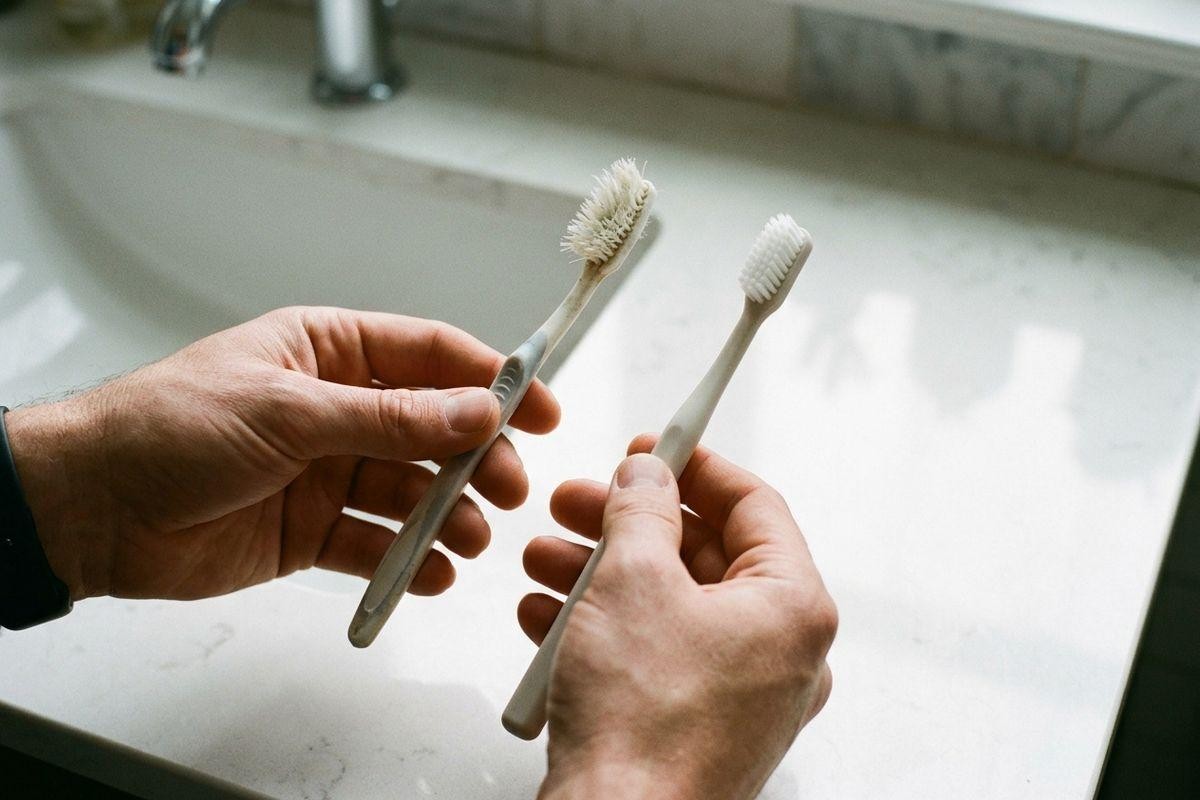
You can start with a soft brush twice a day and keep the pressure light. Angle the bristles toward the gum line and use small strokes. Floss once daily with a light touch so the strand slides, not snaps.
A warm salt rinse after you clean can feel soothing. Mix a pinch of salt in warm water, swish, and spit. Keep the rest of your routine simple so your gums can settle.
Daily Habits That Help
Skip tobacco, since smoking is a risk factor for gum disease. Keep the same gentle routine each day so your gums know what to expect. Bleeding may improve within a week or two when you stay consistent, but it is still worth having your gums checked if it keeps happening.
If a day gets busy, still do the soft brush and the light floss. Small, repeatable steps help more than a long, harsh session once in a while.
When Bleeding Needs Extra Attention
Home care can help many people. Some signs mean you should book a visit sooner.
- Gums bleed every time you brush or floss, or bleeding hasn’t improved in about 2 weeks
- Swelling or bad breath keeps coming back or won’t go away
- Gums bleed with no clear reason
- Pus, loose teeth, or gums that pull away from your teeth
Bring notes about when the bleeding started and what you have already tried. That detail can help the team focus the visit. If you have severe pain, swelling, or bleeding that won’t stop, it may be a dental emergency, so call the clinic right away.
Care From A Dentist In Sherwood Park
A dentist can check for plaque, tartar, and early gum disease during an exam. A gentle clean can support healthier gums and give you a clearer view of what is going on. You then leave with next steps that fit your smile and your daily habits.
Acacia Dental Centre welcomes you for that visit. Call our team in Sherwood Park to book an appointment for a dental exam and a gentle clean, and take the next step toward calmer gums.