
Figuring out your next step after tooth damage can feel a bit overwhelming. Sometimes a regular filling just isn’t enough to repair the problem. Either way, you’re left wondering what comes next. A dental crown is often the answer.
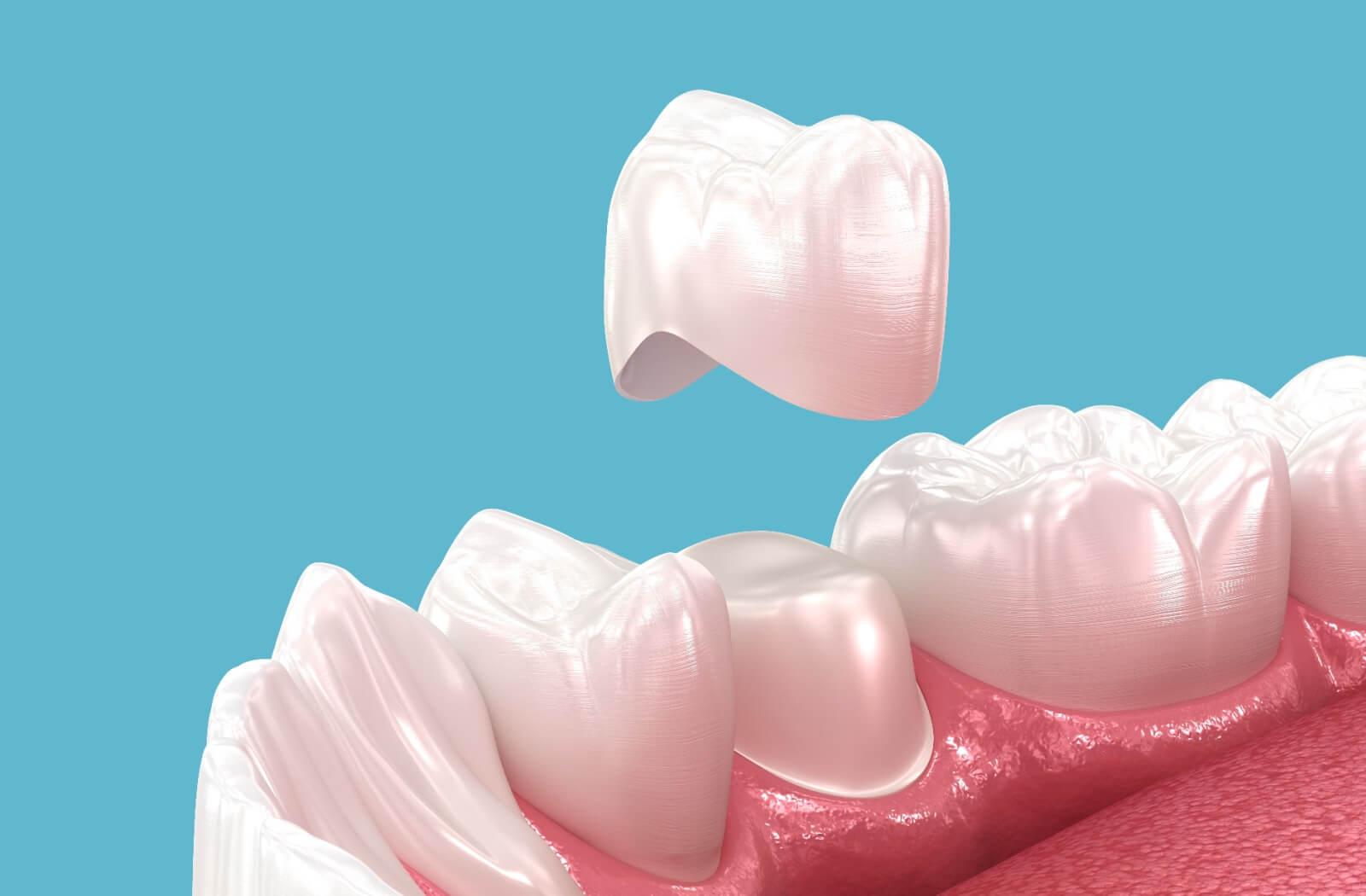
A dental crown is a tooth-shaped cap that fits over the visible part of a damaged tooth, restoring its shape, strength, and natural appearance. Think of it like a protective cover that holds everything together so the tooth can function normally again. It’s one of the more common restorative treatments dentists may recommend when a tooth needs more support than a dental filling can offer.
When Do You Need a Crown?
A crown often comes up when a tooth has been through something significant. If a tooth is cracked, broken, or severely decayed, a crown helps hold it together and protect what’s left.
Dentists look for specific signs to determine if this treatment is the right path forward. Here are a few common reasons you may need to book a procedure:
- Cracked or broken teeth: A cap holds the remaining structure together.
- Severe decay: This option offers protection when a cavity is too large for a standard filling.
- Post-root canal therapy: Treated teeth frequently become fragile over time and need extra reinforcement.
- Heavy wear and tear: Grinding your teeth wears down the enamel, and a crown restores the lost height.
- Supporting other dental work: Crowns cover dental implants or act as anchors for bridges.
Types of Crowns & What Sets Them Apart
Materials play a major role in how your restored smile looks and functions. We can help you find an option that matches your specific goals.
Porcelain & Ceramic Options
Porcelain and ceramic crowns are designed to blend in with the teeth around them. The colour and translucency can be matched closely to your natural teeth, making them a popular choice for front teeth where appearance matters most.
They’re a solid option when you want the crown to go unnoticed in everyday life, like when you smile or talk. Your dentist can help you decide if this material makes sense based on where the tooth sits in your mouth.
Zirconia Crowns
Zirconia crowns are known for combining strength and aesthetics, making them a versatile option for both front and back teeth. Made from a durable ceramic material, zirconia crowns can withstand significant chewing forces while still providing a natural-looking appearance.
Modern zirconia crowns are designed to closely match the colour of your surrounding teeth, making them a popular choice for patients who want both durability and a seamless smile. They’re also biocompatible, meaning they’re well tolerated by the body and less likely to cause irritation.
Because of their strength and long-lasting performance, zirconia crowns are often recommended for teeth that need extra support without sacrificing appearance. Your dentist can help determine whether a zirconia crown is the right fit based on the location of the tooth and your individual needs.
Same-Day Crowns
Same-day crowns are designed and placed in a single visit, which means no temporary crown and no second appointment. The process starts with a digital scan of your tooth, and then the crown is custom-milled right in the office.
For many people, this is a convenient option that fits into a busy schedule.
What the Crown Process Looks Like
The timeline for getting your new tooth depends entirely on the technology used. Let’s explore the 2 main paths you can take.
Traditional 2-Visit Process
With the traditional approach, the first appointment involves shaping the tooth and placing a temporary crown to protect it. An impression is sent to a lab where your permanent crown is made. The second visit is when the permanent crown is fitted and cemented into place.
This process typically takes a couple of weeks between appointments. The temporary crown does its job in the meantime, but it’s worth being a little careful with it until the permanent one is in.
Same-Day Crown Process
The same-day process skips the waiting entirely. A digital scan is taken at the start of your appointment, and the information is used to mill a custom crown right in the office using CEREC technology. By the time you leave, the crown is already placed and set.
There’s no impression tray, no temporary crown, and no follow-up visit needed for the crown itself. For anyone who finds multiple dental appointments difficult to schedule, this option can make the whole experience a lot more manageable.
How Long Crowns Last & What to Expect
A dental crown is meant to be a long-term solution. With regular brushing and flossing, most crowns last around 10 years. Avoiding habits like biting down on hard objects or ice can help extend that timeline. Keeping up with routine dental exams and cleanings also plays a role in how well a crown holds up over time.
Acacia Dental Centre backs our crowns with a 5-year warranty, which gives you added peace of mind after your procedure.
Ready to Restore Your Smile?
If you have questions about whether a crown is right for your tooth, the team at Acacia Dental Centre is happy to talk it through with you. Don’t let a damaged tooth hold you back from enjoying your favourite meals or smiling with confidence. Reach out to book an appointment and get a clear picture of your options.